The guinea pigs have arrived, find out why
By BHSF | October 31st, 2024
Could an employee assistance program be the answer?
In October 2024, the ONS reported[1] the annual growth in total employee earnings including bonuses was 3.8%, behind CPI inflation, which averaged 5.7 per cent in 2023-24[2]. This was lower than what UK employers expected, according to the CIPD[3]. Job vacancies have been falling for twenty-seven consecutive periods but are still higher than before the COVID-19 pandemic.
The CIPD found that 55% of employers plan to keep their current staff levels, the highest percentage since winter 2016-2017. Keeping staff saves money on training and recruitment costs. Whilst higher pay is no doubt a popular incentive for employees, it might not be possible for all companies. But employers can offer other benefits to keep and attract employees.
A Hays 2024 report[4] shows that more applicants now consider a clear employee value proposition (EVP) essential before applying for a job. What makes a company attractive and what benefits are most valued varies by age group. Younger people (30-39 year olds) often want work-life balance, while older workers may prefer comprehensive benefits. Employees expect a well-rounded approach to benefits that supports their health and well-being.
Our BHSF survey from July 2024 asked 1,416 people about their wellbeing priorities. Those aged 18-29 were most interested in gym discounts, while those aged 40+ preferred skin cancer screening. Those identifying as male were slightly more interested in heart health assessments than those identifying as female, who favoured skin cancer screening. It's important to choose a comprehensive EAP that addresses not just one sector or element of your employee wellness, but can support, with physical, financial, and mental wellbeing.
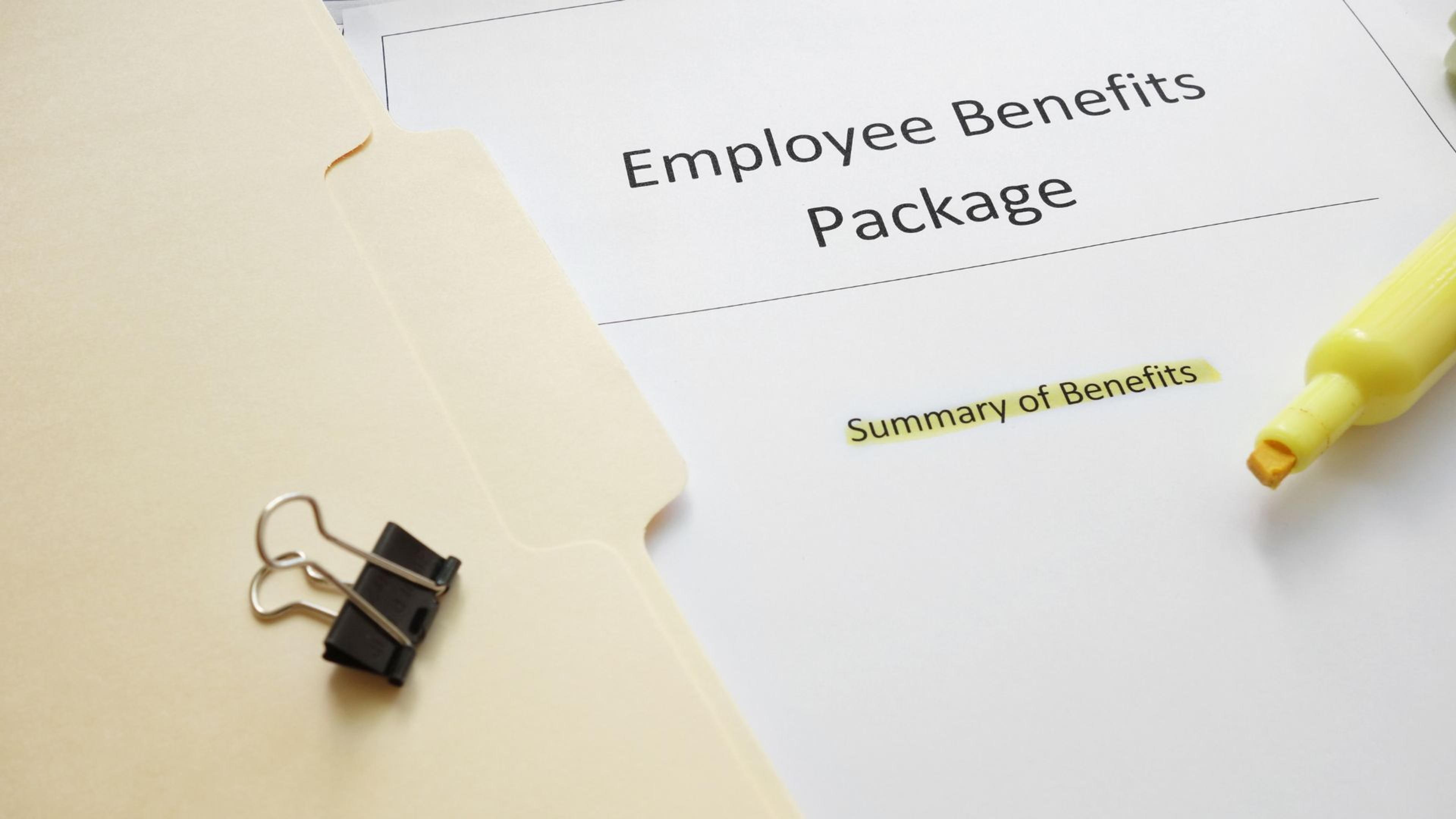
Many of these benefits can be found in an employee assistance programme (EAP). EAPs can be a tax-efficient way to reward staff and retain them. EAPs can provide a range of services to support employees with workplace issues, but increasingly they also support personal issues too, particularly as people seek a more flexible approach to work-life balance.
[2] https://obr.uk/fer/forecast-evaluation-report-october-2024/
[4] https://www.hays.co.uk/market-insights/article/what-workers-want-when-applying-for-jobs

Health cash plan or PMI? Compare costs, cover and value to fi...Health cash plan or PMI? Compare costs, cover and value to find the right staff health benefit for ...
Read moreWe’ve all heard of burnout, but what about boreout? While bur...We’ve all heard of burnout, but what about boreout? While burnout steals the spotlight, boreout is ...
Read moreFrom introverts to extroverts, every personality type deserve...From introverts to extroverts, every personality type deserves space to thrive. BHSF looks at how e...
Read moreExplore the top EAP trends shaping workplace wellbeing in 202...Explore the top EAP trends shaping workplace wellbeing in 2026. From AI-powered support to personal...
Read more